Boat Underwater Lights in Palm Beach: Selecting the Right Output, Color & Placement
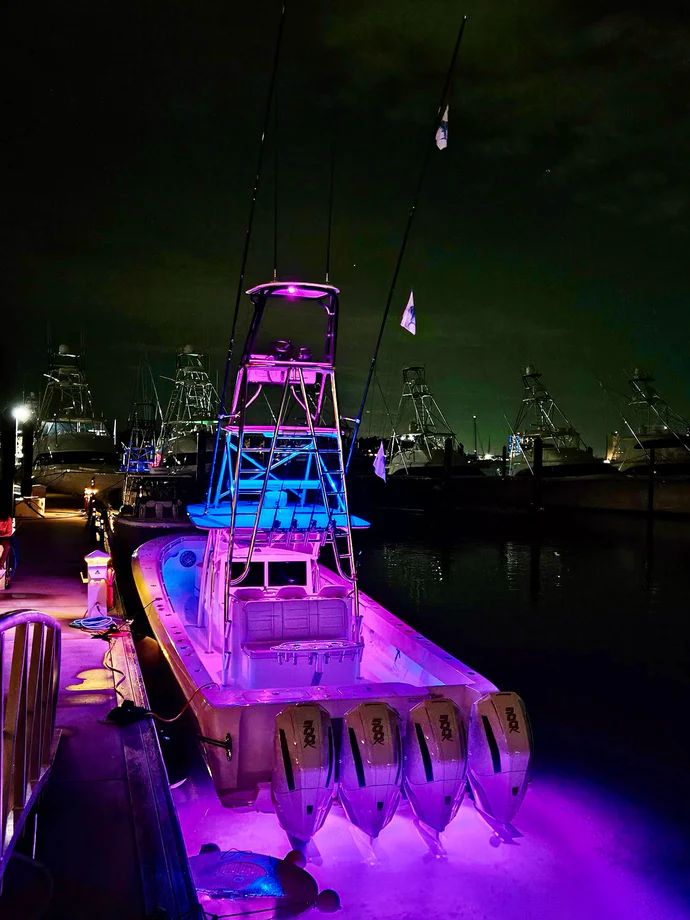
Boat underwater lights have become a popular component of marine lighting systems in Palm Beach. Whether installed on recreational boats, sport fishing vessels, or larger yachts, these lighting solutions provide underwater illumination while complementing other onboard lighting systems.
However, selecting the right boat underwater lights involves more than choosing a fixture. Output levels, color preferences, vessel size, and installation location all influence overall performance. In addition, other marine lighting components such as boat navigation lights, marine courtesy lights, and LED marine engine room lights contribute to a complete lighting strategy for safe and efficient vessel operation.
Understanding these factors can help boat owners make informed decisions when evaluating marine lighting options.
Understanding Boat Underwater Lights
Boat underwater lights are fixtures designed for installation below or near the waterline of a vessel. They are engineered for marine environments and are intended to operate while exposed to water, vibration, and changing weather conditions.
These lighting systems are commonly used on:
- Center console boats
- Sport fishing vessels
- Cruisers
- Yachts
- Waterfront boats kept in slips
Modern marine lighting systems often incorporate LED technology due to its efficiency and long operational lifespan.
The primary purpose of underwater lighting is to illuminate the area surrounding the vessel beneath the water’s surface. Depending on the selected output and placement, the lighting effect can vary significantly.
Why Lighting Selection Matters in Marine Environments
Marine environments create unique challenges for any lighting system.
Factors that influence performance include:
- Saltwater exposure
- Freshwater conditions
- Marine growth
- Vessel movement
- Electrical system compatibility
- Installation location
As a result, choosing marine grade lighting components is important for long term reliability and functionality.
The selection process should focus on practical application rather than appearance alone. A properly planned lighting system supports visibility, vessel operation, and maintenance activities throughout the boat.
Choosing the Right Output for Boat Underwater Lights
Output refers to the amount of light produced by a fixture. The ideal output level depends on vessel size, installation location, and intended use.
Low Output Applications
Lower output boat underwater lights are often selected for smaller vessels and situations where subtle illumination is preferred.
These fixtures may be suitable for:
- Smaller recreational boats
- Docked vessels
- Accent lighting applications
Because they produce a softer effect, they can provide underwater visibility without creating excessive brightness.
Medium Output Applications
Medium output systems are commonly used on a wide range of vessels.
They are often selected for:
- Family boats
- Coastal cruisers
- Fishing vessels
This category typically offers a balance between illumination and energy consumption.
For many boat owners, medium output lighting provides adequate underwater visibility while maintaining efficient electrical performance.
High Output Applications
Larger vessels sometimes require higher output lighting systems.
These systems may be considered when:
- Greater underwater coverage is desired
- Larger transoms are involved
- Wider beam distribution is required
Output requirements should always be evaluated in relation to vessel dimensions and installation goals.
Understanding Color Options for Boat Underwater Lights
Color selection is one of the most discussed aspects of underwater marine lighting. Different colors create different visual effects and may influence the appearance of the surrounding water.
Blue Underwater Lighting
Blue remains one of the most common choices for boat underwater lights.
Reasons boat owners often select blue lighting include:
- Strong visual contrast in water
- Distinct underwater appearance
- Compatibility with many vessel styles
Blue lighting can produce a clean and recognizable underwater glow around the vessel.
White Underwater Lighting
White lighting provides a natural illumination effect.
Benefits include:
- Clear visibility
- Neutral appearance
- Broad compatibility with vessel designs
White underwater lights are frequently selected by boat owners seeking straightforward illumination beneath the vessel.
Multi Color Lighting Systems
Some marine lighting systems offer multi color capabilities that allow users to select different colors through compatible controls.
These systems provide flexibility for varying preferences and environmental conditions.
When selecting color options, vessel owners should consider practical requirements alongside visual preferences.
Placement Strategies for Boat Underwater Lights
Even high quality fixtures may not perform as intended if placement is overlooked. Proper positioning helps maximize light distribution and overall effectiveness.
Transom Mounting
Transom installation is one of the most common approaches for underwater lighting.
Benefits include:
- Direct rear illumination
- Simplified maintenance access
- Consistent light distribution behind the vessel
Many boats can accommodate multiple fixtures across the transom depending on size and design.
Hull Side Placement
Hull side mounting distributes light along the sides of the vessel.
Potential advantages include:
- Wider coverage area
- Enhanced side visibility
- Balanced underwater illumination
The ideal configuration depends on hull design and intended lighting objectives.
Considerations for Different Vessel Types
Every vessel has unique requirements.
Factors affecting placement include:
- Hull shape
- Draft depth
- Vessel length
- Transom width
- Existing marine equipment
A placement strategy should account for these variables to support effective light distribution.
Complementary Marine Lighting Systems
Boat underwater lights are only one part of a complete marine lighting setup. Additional lighting categories serve different operational purposes throughout the vessel.
Boat Navigation Lights
Boat navigation lights help indicate vessel position and direction during operation.
Common navigation lighting includes:
- Port lights
- Starboard lights
- Stern lights
- Masthead lights
These fixtures play an important role in marine visibility and vessel identification.
Marine Courtesy Lights
Marine courtesy lights provide low level illumination throughout the vessel.
Typical installation areas include:
- Steps
- Deck pathways
- Seating areas
- Boarding locations
Their purpose is to improve visibility while maintaining a comfortable lighting environment.
LED Marine Engine Room Lights
LED marine engine room lights provide illumination within mechanical compartments.
These fixtures support:
- Routine inspections
- Equipment monitoring
- Maintenance tasks
- Troubleshooting activities
Reliable engine room lighting contributes to efficient vessel management and operational awareness.
Comparing Marine Lighting Applications
| Lighting Type | Primary Function | Common Installation Area | Typical Purpose |
| Boat Underwater Lights | Underwater illumination | Transom or hull sides | Visibility beneath vessel |
| Boat Navigation Lights | Vessel positioning | Exterior vessel locations | Navigation and identification |
| Marine Courtesy Lights | Low level lighting | Walkways, decks, steps | Interior and exterior visibility |
| LED Marine Engine Room Lights | Equipment illumination | Engine compartments | Maintenance and inspections |
Maintenance and Long Term Performance Considerations
Marine lighting systems operate in demanding conditions. Therefore, routine maintenance helps support long term performance.
Important maintenance practices include:
- Inspecting fixture seals
- Cleaning lenses
- Checking electrical connections
- Monitoring mounting hardware
- Removing marine growth when necessary
In addition, selecting marine grade materials can help reduce the effects of corrosion and environmental exposure.
Many modern LED based systems are designed to provide consistent performance while minimizing maintenance requirements compared with older lighting technologies.
Conclusion
Boat underwater lights can contribute to visibility and functionality around a vessel when selected and installed appropriately. Factors such as output level, color choice, vessel size, and fixture placement all influence overall performance. In addition, supporting systems such as boat navigation lights, marine courtesy lights, and LED marine engine room lights help create a well rounded marine lighting setup.
By understanding the purpose of each lighting category and evaluating installation requirements carefully, boat owners can make informed decisions that align with their vessel’s needs. For more information about marine lighting solutions, contact us today.