Marine Underwater Lights: Installation Methods, Beam Angles and Performance Factors
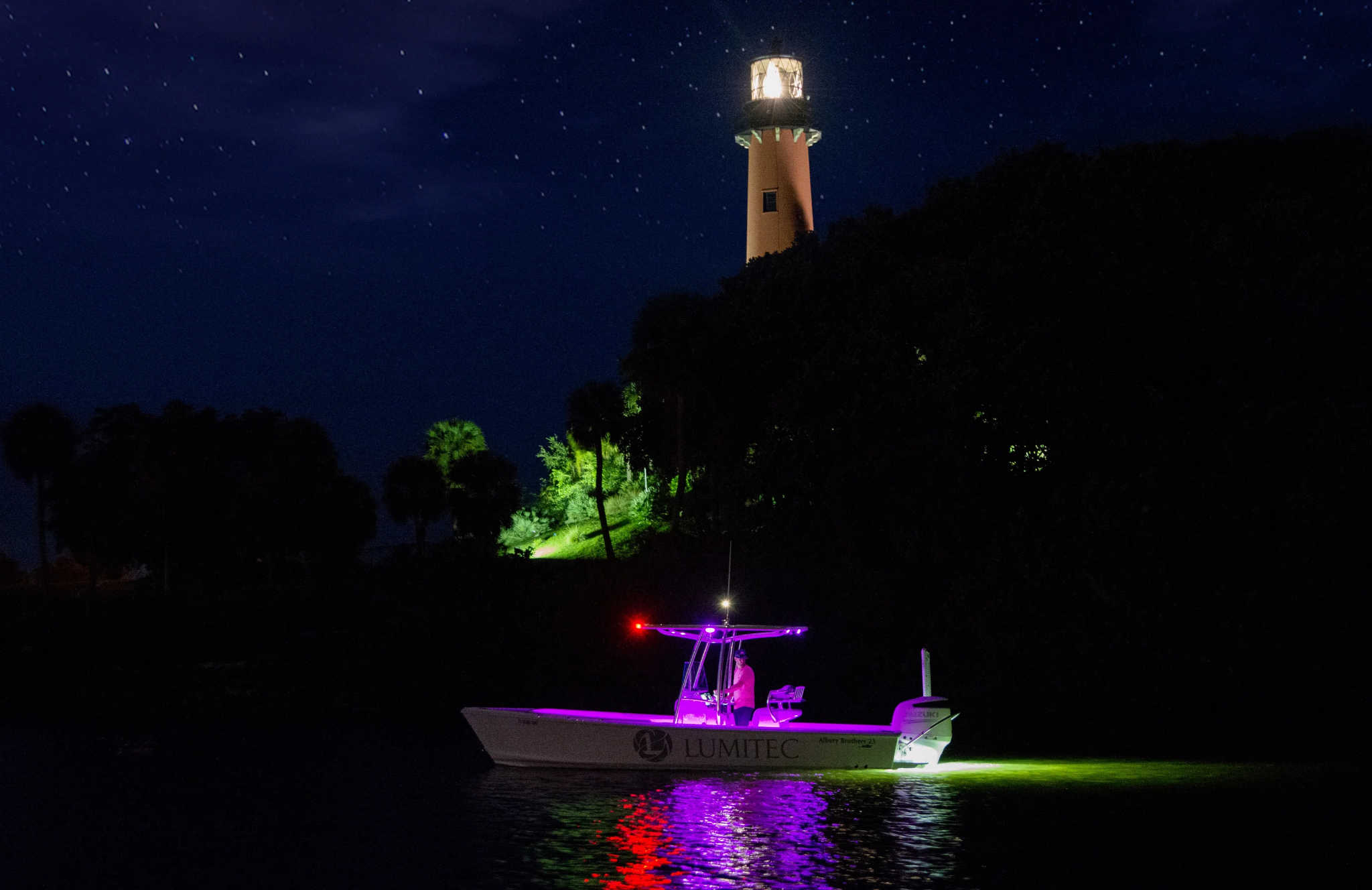
Marine underwater lights are one of the most functional and visually striking upgrades you can add to any vessel. Whether you want to illuminate the water around your hull at night, improve visibility during docking, or simply enhance the appearance of your boat, choosing the right underwater lighting system matters. This guide covers how these lights work, how to install them correctly, and which performance factors genuinely affect the results you get on the water.
What Are Marine Underwater Lights?
Marine underwater lights are sealed lighting fixtures designed to be mounted below the waterline on a boat’s hull. They project light directly into the water, making them useful for night diving, fishing, anchoring in dark anchorages, and general nighttime aesthetics.
Because they operate in a fully submerged environment, these fixtures must meet strict waterproofing and corrosion resistance standards. Most modern options use LED technology because LEDs produce less heat, consume less power, and last significantly longer than older halogen based alternatives.
The right light depends on your vessel type, hull material, and how you use your boat. Factors like beam angle, lumen output, housing material, and installation method all influence how well the light performs over time.
Installation Methods for Marine Underwater Lights
Installing marine underwater lights involves more than drilling a hole and running a wire. The method you choose affects long term watertight integrity and how the light interacts with the surrounding water.
Through Hull Installation
Through hull mounting is the most common and reliable method for permanent installations. It involves cutting a hole through the hull below the waterline and securing the fixture with a threaded fitting and sealant. This creates a low profile installation where the light sits flush with the hull surface.
The main advantage of through hull installation is reduced drag and better light projection directly into the water column. However, it requires haul out or careful below waterline work, and the installation must be watertight at every stage. Using marine grade sealant and bronze or reinforced nylon fittings is essential to prevent leaks.
Always follow the manufacturer’s installation specifications. Overtightening or using incorrect sealants can compromise the seal over time, especially in fiberglass hulls.
Surface Mount Installation
Surface mount fixtures attach directly to the transom or hull exterior above or just at the waterline. This method is simpler and does not require cutting through the hull, which makes it popular for aluminum hulls and for boat owners who want a less invasive process.
The trade off is that surface mount lights sit slightly proud of the hull surface, which can create minor drag at higher speeds. However, for most recreational boats, this difference is negligible. Surface mount options also tend to be easier to replace or service.
Both methods work well when the correct fixtures are used. The key is matching the installation type to your hull material and your boat’s typical operating conditions.
Understanding Beam Angles
Beam angle refers to the spread of light produced by the fixture. A narrow beam angle concentrates light into a focused column, while a wider angle distributes light across a broader area of water.
For most pleasure craft, a beam angle between 120 and 160 degrees works well because it creates an even glow around the hull rather than a single intense spot. Narrower angles around 60 to 90 degrees work better when you want to illuminate a specific area, such as a diving platform or anchor point.
The depth at which light is effective also depends on water clarity. In clear tropical waters, light travels further. In murky or particulate heavy water, the illumination radius drops considerably regardless of lumen output. Selecting the right beam angle for your typical boating environment makes a real difference in how the installed system looks and performs.
Performance Factors That Matter
Not all marine underwater lights are equal. Several technical factors determine whether a fixture delivers reliable, long term performance or becomes a maintenance problem after a single season.
Lumen Output and Color Temperature
Lumen output measures the total amount of light the fixture produces. For underwater use, higher lumens generally produce a more visible glow in the water. However, lumens alone do not tell the complete story. Beam angle, lens clarity, and water conditions all affect how those lumens translate into visible light underwater.
Color temperature affects the appearance of the light in the water. Blue and white tones in the range of 6000K to 7000K tend to look clean and modern. Warm white tones around 3000K produce a softer, amber tinted glow. Some fixtures offer RGB options, allowing you to change the color depending on preference or use case.
Build Quality and IP Rating
An IP rating indicates how well a fixture is sealed against water ingress. For underwater marine applications, you should look for fixtures rated at a minimum of IP68, which confirms the fixture is rated for continuous submersion beyond one meter.
Housing material also plays a significant role. Stainless steel and marine grade anodized aluminum resist corrosion far better than plastic housings in saltwater environments. Lenses should use tempered or high clarity acrylic rather than standard glass, which is more vulnerable to thermal shock from temperature changes in the water.
Comparing Marine LED Lighting Options
| Feature | Through Hull Mount | Surface Mount |
| Hull Penetration Required | Yes | No |
| Drag at Speed | Minimal (flush) | Slight |
| Installation Complexity | Higher | Lower |
| Long Term Seal Integrity | Excellent when done correctly | Good |
| Best For | Fiberglass hulls, permanent builds | Aluminum hulls, simpler installs |
| Serviceability | Requires haul out | Easier above waterline |
Other Marine Lighting Worth Knowing About
Underwater lights are one part of a complete marine lighting setup. Several other fixture categories play important roles in vessel safety and usability.
Marine Deck Lights
Marine deck lights illuminate walking surfaces, steps, and work areas on the boat. They reduce the risk of trips and falls after dark and are particularly useful when anchoring overnight or working on deck in low light conditions. Deck lights typically mount flush with the deck surface or along toe rails and are designed to be low glare so they do not interfere with night vision.
Marine Courtesy Lights
Marine courtesy lights are low profile accent fixtures used to mark steps, doorways, and cockpit edges. They provide enough light for safe movement around the boat without creating excessive brightness that would affect night vision or disturb other boaters nearby. These lights are often mounted along the sides of companionways, under seating, or along walkways.
Marine Engine Room Lights
Marine engine room lights serve a functional rather than aesthetic purpose. They provide adequate illumination inside enclosed engine compartments during inspection and maintenance. Because engine rooms expose fixtures to heat, oil, and vibration, these lights need to be rated for that environment. Vapor proof or explosion proof ratings are important in spaces where fuel vapors may be present.
For a full range of marine lighting options designed for coastal and offshore vessels, Marine Lighting Palm Beach offers fixtures selected specifically for Florida boating conditions.
The SeaBlaze X3 LED Underwater Light
The SeaBlaze X3 LED Underwater Light is a well regarded fixture in the marine lighting category. It is designed for through hull installation and produces a wide angle beam suitable for illuminating the water around a vessel’s hull. The fixture uses LED technology with a compact, low profile housing that minimises drag once installed.
The SeaBlaze X3 is built with a corrosion resistant housing and is rated for continuous underwater use. Its beam spread makes it effective for general hull illumination rather than directional spotlighting. For boat owners looking for a reliable and cleanly installed underwater light, it is worth considering as part of a broader marine led lighting plan.
Conclusion
Choosing the right marine underwater lights comes down to matching your installation method, beam angle, and fixture specs to how and where you use your boat. Through hull installs offer a clean, permanent result while surface mounts provide more flexibility. Performance depends on lumen output, IP rating, housing material, and the optical quality of the lens.
Beyond underwater fixtures, a complete vessel lighting plan should include marine deck lights, marine courtesy lights, and appropriate marine engine room lights for safe and functional operation after dark.
If you want guidance on the right fixtures for your vessel, Contact Marine Lighting Palm Beach to discuss your requirements.