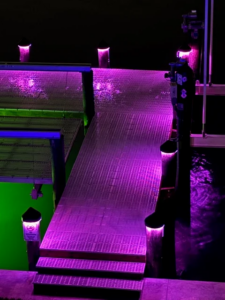
How Dock Underwater Lighting Improves Visibility and Safety in West Palm Beach

Dock areas are often active spaces where boats arrive, depart, and remain moored for long periods. In coastal areas such as West Palm Beach, proper dock underwater lighting installation helps improve nighttime visibility and safer navigation around waterfront properties. However, when natural light fades, docks can become difficult to navigate. This is where dock underwater lighting installation becomes a valuable addition.
Underwater lighting does more than enhance appearance. It improves visibility, helps identify potential hazards, and supports safer docking practices. For boat owners, marina operators, and marine electricians, installing proper lighting systems is an effective way to create a safer and more functional dock environment.
In areas such as West Palm Beach, underwater dock lighting is widely used not only for aesthetic appeal but also for practical safety benefits. Reliable marine lighting in West Palm Beach helps improve visibility around docks, pilings, and mooring areas, underwater lights are increasingly used not only for aesthetic appeal but also for practical safety benefits. When combined with reliable wiring techniques and marine grade materials, underwater lighting can significantly improve the usability of docks during evening hours.
This guide explains how dock underwater lighting works, why it improves safety, and how proper installation ensures long term reliability.
Why Visibility Around Docks Matters
Docks and marinas often have multiple obstacles including pilings, mooring lines, ladders, and equipment. When lighting is inadequate, these elements can become hazards.
Improving dock visibility with marine lighting solutions allows boat operators to identify potential obstacles before they become safety risks.
Better lighting around the dock area provides several important benefits:
- Clearer docking approach
When boat underwater lights and underwater dock lights illuminate the surrounding water, boat operators can see the dock structure more clearly. This makes approaching the dock easier and reduces the likelihood of accidental impact. - Improved awareness of underwater obstacles
Submerged pilings, rocks, or debris can pose risks to vessels. Marine underwater lights allow these hazards to become visible beneath the water surface. - Better movement along the dock
Combining marine deck lights, marine courtesy lights, and underwater lighting helps people move safely across dock surfaces at night. - Safer night time docking operations
When boat dock lights and marina dock lights provide adequate illumination, the docking process becomes more controlled and predictable.
For busy marinas and residential docks, these improvements significantly reduce the chances of accidents.
How Dock Underwater Lighting Works
Underwater lighting systems are installed directly beneath the dock structure or along pilings. These lights are designed to operate while submerged and are typically constructed with corrosion resistant materials.
Most modern installations rely on marine led lighting, which provides bright illumination with lower energy consumption and longer lifespan.
Typical components of a dock underwater lighting installation include:
- LED underwater light fixtures
- Marine grade wiring
- Waterproof connectors
- Marine sealant
- Power supply or transformer
- Mounting brackets
These components work together to create a reliable lighting system capable of operating in harsh marine environments.
Types of Dock Lighting Used With Underwater Systems
Underwater lighting is usually part of a broader lighting setup that includes several types of boat marine lights and dock fixtures.
Underwater Dock Lights
Underwater dock lights are mounted beneath the dock surface and illuminate the surrounding water. These lights enhance visibility below the surface and help highlight the dock perimeter.
They are commonly used in residential docks, fishing docks, and marina environments.
LED Dock Lighting
Led dock lighting systems are designed to provide efficient and long lasting illumination. LED technology is widely used because it generates less heat and consumes less energy than traditional lighting systems.
Many dock solar lighting systems also use LED fixtures to maximize efficiency.
Dock Fishing Lights
For anglers, dock fishing lights attract bait fish and improve visibility when fishing at night. These lights can be integrated with underwater lighting to illuminate larger areas.
Boat Dock Lights
Boat dock lights are typically mounted along the dock edge or on pilings. They help guide vessels toward the dock and complement underwater lighting systems.
Role of Marine LED Lighting in Safety
Modern marine led lighting technology has significantly improved dock illumination.
LED systems provide several advantages that contribute to safer docks:
- Bright and consistent illumination
LED fixtures produce stable lighting levels that improve visibility in and around the water. - Long operational lifespan
High quality boat led lights and underwater fixtures can operate for many years with minimal maintenance. - Energy efficiency
LED lights consume less electricity, making them suitable for continuous operation in marinas and residential docks. - Lower heat output
Reduced heat generation helps protect surrounding marine structures and wiring systems.
Because of these benefits, LED technology is widely used in marine dock lights, underwater lights, and navigation lighting systems.
Key Steps in Dock Underwater Lighting Installation
Installing underwater lighting requires careful planning to ensure safety and long term durability.
Below is a simplified overview of the installation process used by marine electricians and experienced DIY installers.
Step 1: Planning Light Placement
Before installation begins, determine where lighting will provide the most visibility.
Common locations include:
- Dock corners
- Areas near boat slips
- Dock entry points
- Fishing zones
Proper placement ensures dock lighting evenly illuminates the surrounding water.
Step 2: Mounting the Light Fixtures
Underwater fixtures are typically attached to:
- Dock pilings
- Dock framing structures
- Under dock cross beams
Secure mounting ensures the lights remain stable even in moving water.
Step 3: Wiring Underwater Lights
Correct wiring underwater lights is essential for safe operation.
Marine grade wiring should always be used because it resists corrosion and moisture damage.
Important wiring practices include:
- Routing cables through protective conduits
- Keeping wiring connections above water level when possible
- Securing cables to prevent movement
Proper wiring helps maintain system reliability over time.
Step 4: Using Waterproof Connectors
Electrical connections must be protected from water exposure.
High quality waterproof connectors ensure electrical circuits remain sealed and prevent moisture from damaging the wiring.
These connectors are specifically designed for marine environments and should always be used in dock lighting systems.
Step 5: Applying Marine Sealant
Any drilled holes or cable entry points should be sealed using marine sealant.
Marine sealants help:
- Prevent water intrusion into dock structures
- Protect wiring channels
- Maintain structural integrity
Applying sealant correctly reduces long term maintenance issues.
Common Marine Lighting Systems Used Around Docks
Dock lighting systems are often combined with other marine lighting solutions to improve safety and functionality.
Boat Navigation Lights
Boat navigation lights are essential for safe boating at night. They help vessels indicate direction and position to other boat operators.
These lights are separate from dock lighting but work together to improve visibility within the marina.
Marine Courtesy Lights
Marine courtesy lights are small fixtures installed along walkways or deck areas.
They provide low level illumination that helps people move safely without producing excessive glare.
Marine Deck Lights
Marine deck lights are mounted on boat decks or dock structures to illuminate working areas.
These lights are useful for loading gear, handling mooring lines, and performing maintenance tasks.
Engine Room Lighting
Inside vessels, lighting is also important for maintenance and inspection.
Common systems include:
- Marine engine room lights
- Boat engine room lights
- Yacht engine room lights
- Led marine engine room lights
These lights help technicians safely inspect mechanical components and perform repairs.
Dock Lighting Options Comparison
The following table compares several dock lighting options and their typical uses.
| Lighting Type | Primary Use | Key Benefit |
| Underwater dock lights | Illuminating water beneath docks | Improves underwater visibility |
| LED dock lighting | General dock illumination | Energy efficient and long lasting |
| Dock solar lighting | Off grid dock lighting | No electrical wiring required |
| Boat dock lights | Dock edge lighting | Guides vessels safely to dock |
| Dock fishing lights | Night fishing illumination | Attracts bait fish |
| Marina dock lights | Large dock area lighting | Improves marina safety |
Each lighting type plays a different role in improving dock visibility.
Maintenance Tips for Underwater Dock Lighting
Like all marine equipment, lighting systems require occasional maintenance.
Routine maintenance helps ensure consistent performance.
Recommended maintenance tasks include:
- Inspect fixtures periodically
Check underwater lights for debris, algae buildup, or physical damage. - Examine electrical connections
Ensure waterproof connectors remain sealed and corrosion free. - Clean lighting lenses
Cleaning the lenses helps maintain maximum brightness. - Check wiring integrity
Inspect marine wiring for signs of wear or exposure.
Regular inspections keep lighting systems working efficiently.
Conclusion
Proper lighting is essential for safe dock operations, especially after sunset. A well designed dock underwater lighting installation improves visibility, helps identify underwater hazards, and makes docking procedures safer.
When combined with systems such as boat navigation lights, marine courtesy lights, and marine deck lights, underwater lighting contributes to a complete marine lighting setup.
Using reliable components such as marine led lighting, marine grade wiring, waterproof connectors, and marine sealant ensures that lighting systems remain durable in challenging marine environments.
Whether installed at residential docks or large marinas, underwater lighting plays an important role in improving safety and usability around waterfront structures, especially in coastal boating areas like West Palm Beach.
Frequently Asked Questions
Are LED lights recommended for dock lighting?
Yes. Marine led lighting is widely used because it provides strong illumination, consumes less power, and lasts longer than traditional lighting systems.
How are underwater dock lights powered?
Underwater dock lights are typically powered through marine electrical wiring connected to a dock power supply or transformer. Some dock solar lighting systems operate using solar panels and battery storage.
Do underwater lights help with fishing?
Yes. Dock fishing lights can attract small fish and bait fish, which may attract larger fish as well. This makes them popular among anglers who fish from docks at night.
Are underwater lights safe for marine environments?
When installed correctly using marine grade wiring, waterproof connectors, and marine sealant, underwater lighting systems are designed to operate safely in marine environments.
How often should dock lighting be maintained?
Lighting systems should be inspected periodically. Routine maintenance may include cleaning fixtures, checking wiring connections, and verifying that lights are operating correctly.