Boat LED Lights: Key Features, Brightness Levels & Installation Considerations
Modern boating relies heavily on boat LED lights to ensure safety, efficiency, and a better onboard experience. These lights are no longer just functional—they can transform the ambiance of your boat while ensuring compliance with maritime safety standards. From functional boat marine lights to decorative boat underwater lights, LEDs are versatile solutions for all areas of your vessel. Understanding their features, benefits, and proper installation methods is essential for making informed lighting decisions.
Understanding Boat LED Lights
Boat LED lights are energy efficient lighting solutions designed specifically for marine environments. They surpass traditional halogen and incandescent lighting in several critical ways:
- Energy efficiency – LEDs use far less power, extending battery life.
- Long lifespan – Many LED lights operate for over 50,000 hours without dimming.
- Durability – Built to withstand moisture, saltwater, and the vibrations common in marine environments.
Common Applications
Boat LED lights are used throughout a vessel in areas such as:
- Boat navigation lights: Essential for safe travel at night or in low visibility conditions.
- Marine courtesy lights: Provide gentle illumination on decks and stairs for convenience and safety.
- Marine engine room lights: Bright, focused lights for maintenance tasks.
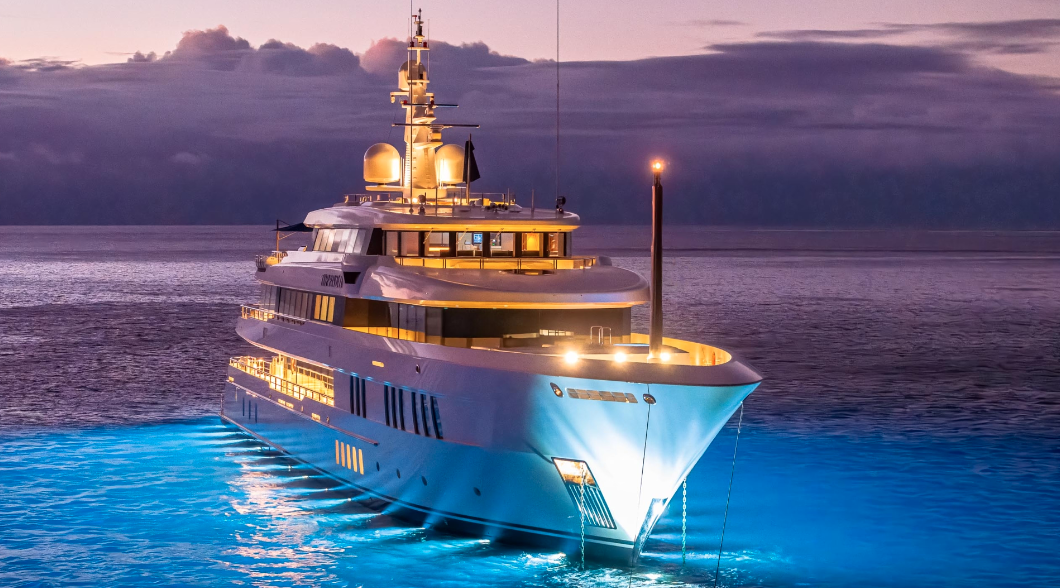
- Boat underwater lights: Enhance the aesthetic appeal of the hull and improve underwater visibility.
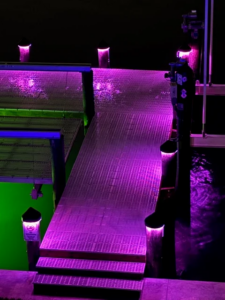
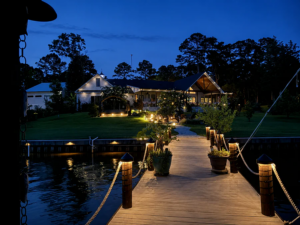
- LED dock lighting: Illuminate docks and piers, increasing safety during boarding or mooring.
These applications highlight how LEDs can simultaneously serve functional, aesthetic, and safety purposes on a vessel.
Advantages of LED Marine Lighting
Switching to marine LED lighting offers a range of advantages:
- Energy Efficiency: LEDs consume less power than halogen lights, making them ideal for boats running on battery power.
- Durability: Marine grade LEDs resist corrosion, moisture, and vibrations, which can damage conventional lighting.
- Safety: Brighter, consistent illumination ensures that decks, navigation paths, and engine rooms are clearly visible.
- Versatility: LEDs offer color options, dimming capabilities, and smart control options for a fully customizable lighting system.
- Longevity: A typical LED lasts many years without requiring frequent replacement, reducing ongoing maintenance costs.
Modern boats rely on LEDs not only to illuminate spaces but to enhance the overall boating experience, providing both safety and style.
Types of Boat LED Lights
Understanding the types of boat LED lights available helps boat owners make informed purchasing decisions. The table below summarizes the most common types, their applications, and key features:
| Type | Purpose | Location | Key Features |
| Boat Navigation Lights | Indicate vessel position | Mast, bow, stern | Compliant with maritime regulations, bright LEDs |
| Boat Underwater Lights | Aesthetic & visibility | Hull below waterline | Waterproof, vibrant colors, low energy |
| Marine Courtesy Lights | Deck and cabin illumination | Decks, stairs, cabins | Soft glow, non glare, energy efficient |
| Marine Engine Room Lights | Maintenance and inspections | Engine room | High intensity, waterproof, durable |
| LED Dock Lighting | Dock safety & visibility | Piers, docks | Weatherproof, easy to install, durable |
| Boat Marine Lights | General illumination | Deck, cabin, helm | Multi purpose, energy efficient |
| Marine LED Lighting | Overall marine lighting | Varies | Flexible, efficient, customizable |
| SeaBlaze X3 LED Underwater Light | Premium underwater illumination | Hull & transom | High brightness, multi color, marine grade |
This table demonstrates the versatility of marine LED lighting and how specific lights are designed for different functions on the vessel.
Choosing the Right Brightness Level
Brightness in boat LED lights is measured in lumens, which represents the total visible light emitted. Selecting the right brightness depends on both the function of the light and environmental conditions.
- Deck and Courtesy Lights: 100–300 lumens for safe movement without glare.
- Navigation and Engine Room Lights: 500–1500 lumens to comply with maritime standards and ensure safety.
- Underwater Lights: Over 1000 lumens to provide optimal visibility beneath the surface and enhance the vessel’s visual appeal.
It is essential to balance brightness and power consumption. Excessively bright lights can drain batteries faster, while too dim lights may reduce safety or visibility.
Installation Considerations for Boat LED Lights
Correct installation is critical to ensure safety, efficiency, and long lasting performance.
Electrical Compatibility
Boats generally operate on 12V or 24V systems. Confirm that your boat LED lights match the voltage requirements to prevent damage or premature failure.
Mounting and Placement
- Navigation Lights: Must meet legal placement requirements for visibility to other vessels.
- Underwater Lights: Install below the waterline, away from propellers and moving parts.
- Dock and Deck Lights: Secure installation with waterproof fittings to prevent moisture intrusion.
Wiring and Waterproofing
Use marine grade wiring and connectors designed to resist corrosion. Waterproofing is essential to prevent short circuits and ensure longevity.
Control Options
Modern marine LED lights can integrate with dimmers, switches, or smart controls, offering flexibility and ease of use. Some systems allow you to adjust colors or brightness remotely for convenience.
SeaBlaze X3 LED Underwater Light
The SeaBlaze X3 LED Underwater Light is a leading product in marine lighting for its performance and versatility:
- Multi color lighting options for aesthetic appeal
- High lumen output for visibility and safety
- Marine grade materials for durability and corrosion resistance
- Easy installation and maintenance
This light is ideal for boat owners looking to combine functionality, safety, and modern design in their underwater lighting system.
Maintenance Tips for Boat LED Lights
Proper maintenance ensures your marine LED lighting continues to perform optimally:
- Inspect regularly for corrosion or water intrusion.
- Clean lenses with a soft, non abrasive cloth.
- Check wiring for wear, loose connections, or corrosion.
- Replace any malfunctioning lights promptly to maintain consistent illumination.
Routine maintenance reduces repair costs and extends the lifespan of your lights while keeping your boat safe and well lit.
Advantages of Integrating LED Lighting Across Your Boat
Installing marine LED lighting throughout your vessel can transform your boating experience:
- Enhanced Safety: Well placed lighting on decks, navigation points, and docks reduces the risk of accidents.
- Aesthetic Appeal: LED lights offer vibrant colors and customizable lighting effects that elevate the look of the boat.
- Energy Efficiency: Minimal power usage extends battery life, allowing for longer trips and reducing the need for additional charging.
- Low Maintenance: Long lasting LEDs reduce the frequency of replacements, saving time and effort.
- Regulatory Compliance: Properly installed navigation lights ensure your vessel meets maritime regulations for visibility and safety.
Conclusion
Boat LED lights provide energy efficient, durable, and versatile lighting solutions for all areas of a vessel. From boat navigation lights to marine courtesy lights, led dock lighting, and the high performance SeaBlaze X3 LED Underwater Light, LEDs enhance both safety and the boating experience. Investing in quality marine lighting ensures your vessel is well illuminated, compliant with regulations, and visually appealing.
Professional guidance is recommended for selecting, installing, and maintaining marine LED lights to achieve optimal performance and longevity.