Boat Underwater Lights for Fishing: What to Consider Before Choosing
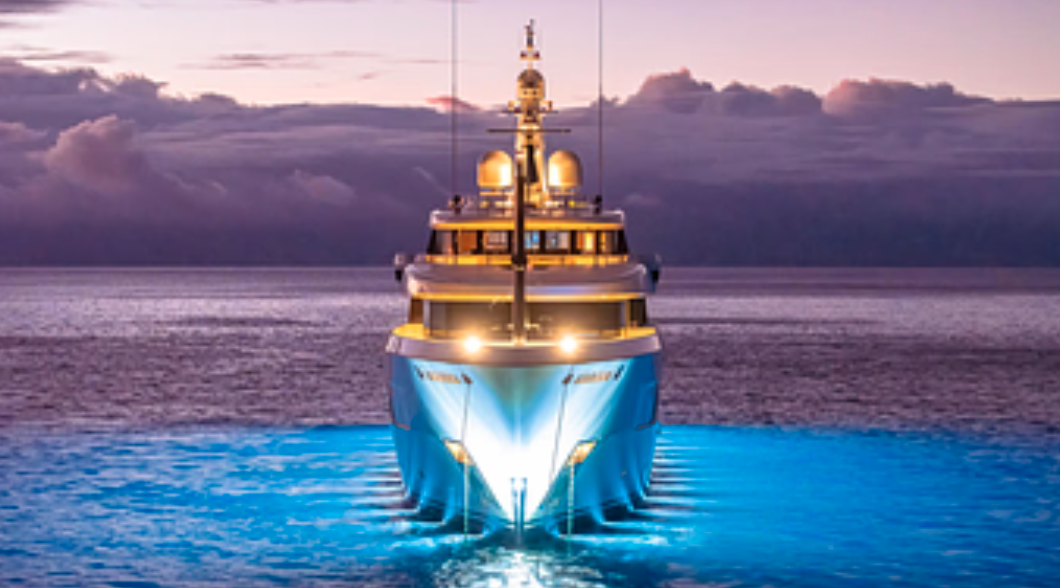
Boat underwater lights are a popular upgrade for anglers who fish after dark. They light the water near the boat and draw baitfish, which can bring larger fish closer. Picking the right boat underwater lights depends on your water clarity, your boat type, and how you plan to install them. A few early decisions save time and money later.
This guide focuses on choosing underwater fishing lights from DRSA’s range. Compare color, beam coverage, current draw, and available controls for the water you fish. For a detailed mounting comparison, use the separate underwater-light selection guide.
How Boat Underwater Lights Help With Fishing
For fishing, underwater lights illuminate nearby water and may attract baitfish. Light output and color are only part of the decision, alongside water conditions, battery capacity, and installation requirements.
Baitfish and Game Fish
Underwater lights may attract baitfish, but the response depends on water conditions and fish present. Do not treat lighting as a guarantee of snook, tarpon, or improved catches.
Evaluate the light over different conditions rather than expecting activity after a set number of nights.
Evening and Early Morning Use
Fishing-light performance depends on the conditions during the trip. Evaluate the visible beam, fish activity, and battery use during your usual fishing hours rather than expecting a predictable result at dusk or dawn.
Visibility and Safety Around the Boat
Underwater lights illuminate nearby water, but they do not reveal every hazard or replace required navigation lighting. Keep dedicated deck lighting available for tackle and work areas.
Choosing Color for Night Fishing
Color is one of the first choices you will make. Available single-color, dual-color, and RGBW options depend on the model. Each has a different use.
Green is one option for fishing, while blue, white, and RGBW models offer other effects. Compare color in the conditions where you fish rather than assuming one color penetrates every type of murky water best.
The OceanLED X8 Colours 012307C is listed with Fish-Strobe mode, RGBW output, and 2,300 fixture lumens. This identifies an available feature, rather than a promise that a strobe will improve catches.
Matching Output to Water Clarity
Compare fixture output with beam coverage, placement, and water clarity. Higher output can increase power use and does not guarantee better visibility or fishing results.
Beam angle matters too. A wider beam covers more area around the boat, while a narrower beam throws light farther. Compare these values on the selected product pages.
Compare fixture lumens, beam angle, and power draw together. A quoted LED or total-lumen value should not be treated as identical to fixture lumens.
Surface Mount or Thru Hull for a Fishing Boat
Mounting style affects cost, appearance, and installation. Compare surface-mount and thru-hull fittings for the boat.
Surface Mount Lights
Surface-mount lights can suit retrofits, but installation can still require a cable hole, fasteners, sealing, and protected wiring. Check the chosen model before planning the work.
Thru Hull Lights
Thru-hull lights use a fitting through the hull. Compare the selected model’s output and servicing access, and have a qualified installer assess the hull work.
Fishing Needs and Light Choices at a Glance
Use these fishing situations as a starting point for comparing specific fixtures.
Fishing Situation | Suggested Light Choice | Why It Fits |
Night fishing from the transom | Surface mount, green or RGBW with a strobe option | Check output, power draw, and hull openings |
Larger sportfishing boat | Thru hull lights | Check output, fit, and interior service access |
Murky or tannic water | Compare color, beam, and fixture output | Compare performance in the actual water |
Shallow, clear water | Lower output lights | Check coverage and control glare |
Fishing from a dock | Green or white underwater dock lights | Illuminates nearby water; fish response varies |
Power Draw and Battery Considerations
Fishing days can be long, and electronics add up. Underwater lights, a fish finder, and livewell pumps all use power. LED technology helps here.
Use the selected underwater light’s current draw to plan battery load. A navigation-light lifetime estimate does not establish the underwater fixture’s runtime or service life.
The OceanLED X8 listing gives a current draw of 1.65A at 12V. Eight hours at that listed draw would use about 13.2Ah for one light, before allowing for other equipment and system losses. Check usable battery capacity before planning an overnight session.
Other Lighting a Fishing Boat Needs
Underwater lights are one part of a complete setup. A fishing boat also needs required navigation lights and good lighting in the engine compartment. Planning all three together avoids gaps.
Boat Navigation Lights
Boat navigation lights show other vessels your position and direction. Underwater lights do not replace them. They serve a separate purpose.
Choose navigation lights for the vessel’s required arrangement, visibility range, and certification. Include their current draw in the boat’s overall electrical load. They have a different purpose from fishing lights.
Boat Engine Room Lights
Anglers often work on engines before and after a trip. Boat engine room lights make inspection and repair safer and easier. They also help you spot leaks or wear before they become larger problems.
For engine compartment lighting, confirm the exact fixture’s voltage, environmental rating, and ignition protection where required. Do not infer certification from wattage or fixture size.
Dock Lighting in Palm Beach for Anglers
For fishing from a dock, select a purpose-designed underwater fixture approved for the structure, water conditions, and electrical supply. Keep walking surfaces lit separately and treat fish attraction as a possible outcome.
Follow the chosen underwater dock light’s installation instructions and account for tidal range, mounting structure, and water conditions. Do not use 3 to 4 feet as a universal installation depth.
Wiring work needs care. New circuits, conduit, GFCI protection, or any tie into shore power call for a licensed electrician, and electrical work often needs a permit. Confirm the rules with your city or HOA before you begin.
Quality, Sealing, and Installation
Choose an underwater light specified for its intended environment. Materials, IP ratings, and installation limits vary by model, so avoid treating bronze or stainless steel construction as universal.
Installation covers wiring, waterproofing, and placement. Placement shapes both the look and the fishing effect, since it decides where the light falls in the water. If you are retrofitting an older boat, check mounting-hole compatibility, wiring capacity, and control requirements before changing fixtures.
Surface-mount installation may still involve hull openings and sealing. Follow the model’s instructions and use a qualified installer for hull work or electrical tasks beyond your skills.
Conclusion
DRSA in North Palm Beach supplies underwater lights and related marine lighting for anglers. Compare the selected fixture’s color options, beam angle, and current draw before choosing a system.
Choose fishing lights by color options, useful beam coverage, fixture output, and current draw. Plan installation for the hull, and keep navigation and work lighting separate. Test the effect in your usual fishing conditions before assuming more output will produce better results.