Dock Solar Lighting: What to Know Before Lighting Your Boat Dock
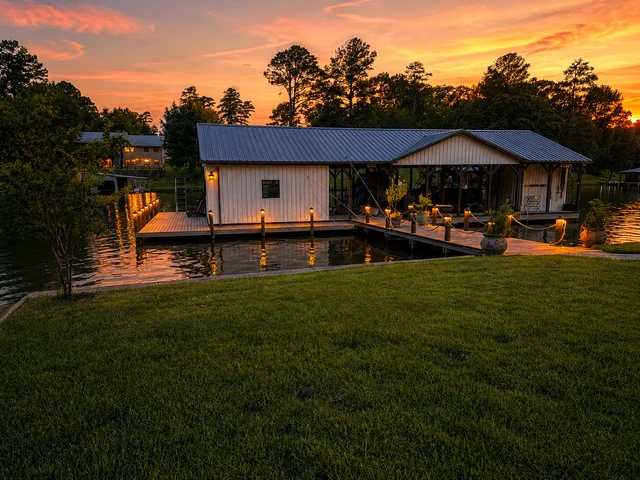
Solar dock lights use a panel and rechargeable battery without a cable connection to your electrical supply. Choose them by available sunlight, expected operating time, mounting position, and service requirements. Compare a wired fixture where the dock needs more predictable output.
This guide explains when solar dock lighting suits markers and pathways, how shade and battery capacity affect performance, and where wired lighting remains useful. DRSA supplies marine lighting in Palm Beach County, including solar pathway fixtures and wired dock lights.
What Is Dock Solar Lighting?
Dock solar lighting uses a panel and rechargeable battery to power a self-contained fixture. It avoids a cable connection to the dock’s electrical supply, but runtime depends on the model and available sunlight.
Solar fixtures suit sunny areas where running cable is difficult. Compare expected operating time, battery serviceability, and mounting requirements with a wired alternative.
DRSA is a North Palm Beach manufacturer and supplier of marine lighting. Solar products from other brands should be identified by their manufacturer rather than described as DRSA-manufactured fixtures.
Where Dock Solar Lighting Works Best
Solar lighting is not the right answer for every spot on a dock. However, it is a strong fit for certain jobs. Matching the light to the task helps you avoid wasted effort.
Markers and Wayfinding
Solar markers can help identify a dock edge or corner where they receive adequate sunlight. Confirm the selected model’s mounting method and expected operating time before relying on it for wayfinding.
These tasks do not need the highest output. They need a steady, visible point of light. For that reason, solar is a practical choice.
Far Pilings and Remote Spots
Remote dock sections can be difficult to wire. A suitable solar fixture may be useful there, provided it receives enough sunlight and is approved for the mounting position. Use a wired alternative where those conditions are not met.
This approach keeps wiring short and still lights the whole dock. In addition, it avoids extra load on your shore power connection.
Low Maintenance Waterfront Lighting
Self-contained solar fixtures avoid a cable run, but their panels, mounting, seals, and batteries still need attention. Confirm what cleaning and battery service the model allows.
Solar vs Wired Dock Lighting
Compare the installation, operating, and service requirements of a specific solar fixture and wired alternative.
Feature | Dock Solar Lighting | Wired Dock Lighting |
Power source | Sun, with no draw on your electrical system | Your electrical system |
Installation | Quick to install | May involve circuits, conduit, and GFCI protection |
Best use | Markers and wayfinding | Ramps, main runs, and high output areas |
Output and control | Suited to steady marker light | Output and controls depend on the system |
Permits | Confirm with the local authority | Electrical work often needs a permit |
Care items | Follow model instructions; battery serviceability varies | Inspect at manufacturer-recommended intervals |
Always confirm permit rules with your city or HOA. Rules vary by location.
Building a Mixed Lighting Plan
A mixed plan may suit a dock with different lighting needs. Select solar fixtures for suitable sunny positions and wired fixtures where predictable operation or specific controls are needed.
Start by walking the dock at night, or by picturing it. Mark where people step, where boats tie up, and where hazards sit. Then assign each spot a role: task light, marker, or ambient light.
Assess stairs, ramps, and walkways by the area that needs light, beam distribution, and glare. There is no single 1,600-lumen threshold that establishes suitable illumination for every dock.
DRSA’s wired piling caps are available in warm white and color-changing versions. They use 12V DC power and should be planned separately from self-contained solar pathway lights.
Pairing Solar With Other Marine Lighting
A dock is only part of the story. Your boat needs lighting too. Understanding how each type works helps you plan one consistent system.
Boat Underwater Lights
Boat underwater lights illuminate the water around the hull and may be useful for fishing or appearance. They serve a different purpose from solar pathway lights on a dock.
Surface-mount and thru-hull designs have different installation requirements. For a model comparison, review the underwater-light range rather than assuming every fixture has the same housing, IP rating, or controller.
Boat Navigation Lights
Boat navigation lights show other vessels your position and direction. As a result, they are a safety and compliance item first. Solar dock lights are for the dock, and navigation lights are for the vessel.
Select navigation lights for the vessel’s required arrangement and visibility range. Solar dock markers and underwater accent lights do not replace them.
Marine Utility Lights
Utility lights serve onboard work areas. Choose a model specified for the compartment and its exposure rather than treating every utility light as waterproof.
An engine room fixture needs to suit its compartment. Confirm the exact model’s voltage, environmental rating, and ignition protection where required.
What to Check Before You Choose
A few checks help you avoid problems later. Use this list as a starting point.
Check the IP Rating
Match each light’s rating and installation limits to its exposure. A solar marker rated for rain or temporary immersion should not automatically be specified for continuous underwater use.
Check the Materials
Check the actual housing and lens materials. For example, DRSA lists the Hydro Glow S1A solar pathway light with a high-impact polycarbonate body, so metal construction is not a universal requirement.
Check the Color
Choose color and shielding for the site and any applicable wildlife-lighting requirements. Amber color alone does not establish that a fixture is approved for a protected habitat.
Check Permit and Installation Needs
Check installation and permit requirements with the local authority before starting. For wired equipment, use the selected power supply’s instructions and a qualified electrician for its AC connection.
Maintenance and Storm Preparation
Clean panels and lenses as the manufacturer directs. Replace batteries only if the selected model is designed for battery service.
For wired equipment, follow the manufacturer’s inspection and service instructions. Do not open sealed modules, add anti-seize, or replace gaskets unless the selected product’s instructions permit it.
Follow the fixture manufacturer’s storm preparation instructions. Isolate power before inspecting damaged equipment and have wiring or water intrusion assessed by a qualified professional.
Conclusion
DRSA serves boat owners and waterfront customers from its North Palm Beach location. Ask the team to compare a solar pathway fixture with a wired dock-lighting option for the areas you need to illuminate.
This range of customers shows how broad dock and boat lighting can be. A private dock needs different lighting than a yacht club marina. Even so, the core questions stay the same: what needs light, how much, and in what conditions.
Solar lighting can mark sunny dock edges without a cable run. Compare expected runtime and shade exposure with the output and control options of a specific wired system. Select each fixture for its own job.
Frequently Asked Questions