Boat Cabin & Interior Lighting Ideas for South Florida Yachts
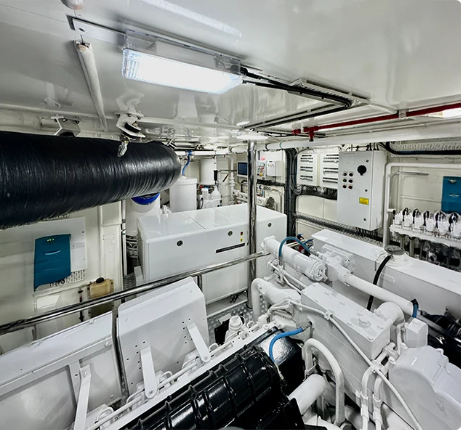
Yacht engine room lights are often the last thing an owner thinks about, yet they are one of the most important lighting systems on board. Interior lighting on a yacht is not just about looks. It affects safety, maintenance, and how comfortable a cabin feels after a long day on the water. For South Florida boat owners, where evenings on the dock and late returns from a day trip are common, a well planned lighting layout makes a real difference.
This guide looks at how engine room lighting, courtesy lights, navigation lights, and dock solar lighting work together as part of a complete interior and approach lighting plan for a yacht.
Why Interior Lighting Deserves the Same Attention as Deck Lighting
Owners tend to focus first on exterior lighting because it is more visible. However, the systems below deck matter just as much. Engine rooms need dependable light for inspections and repairs. Cabins need soft, glare free lighting for evenings on board. Walkways and steps need enough light to move safely at night.
A yacht is also a mix of environments. The engine room is hot, humid, and exposed to vibration. The cabin is meant to be relaxed and quiet. Because these spaces have different needs, they call for different lighting choices, not a single fixture used everywhere.
Yacht Engine Room Lights: The Foundation of a Safe Interior
Engine rooms are working spaces first. Good yacht engine room lights allow a captain or technician to see hoses, belts, wiring, and fluid levels clearly during routine checks. Poor lighting in this area can turn a five minute inspection into a longer, more frustrating task, and it can make small issues harder to spot before they grow into bigger repairs.
What to Look For in Engine Room Lighting
Engine compartments deal with heat, moisture, and constant engine vibration. Fixtures in this space should be sealed against water and built to handle that kind of movement without loosening or failing. Even, consistent brightness across the compartment is more useful than a single bright spot, since shadows can hide small leaks or wear on components.
Why LEDs Work Well in Engine Compartments
LED fixtures run cooler than older lighting types, which matters in a space that already generates heat. They also use less power, which is helpful on a system that already has many electrical demands. As a manufacturer and distributor of marine LED lighting, Marine Lighting Palm Beach supplies yacht engine room lights built for exactly this kind of demanding environment
Marine Courtesy Lights for Cabin Ambiance and Safety
Once the mechanical side of the interior is covered, attention naturally shifts to comfort. Marine courtesy lights are the small, low profile fixtures that light up steps, hallways, cabin floors, and entryways without the harsh glare of a full overhead light.
Where Courtesy Lights Are Most Useful
These fixtures are commonly placed along stairways, under gunnels, near cabin doorways, and along walkways where a bright overhead light would be uncomfortable at night. Because they sit low and cast a soft glow, they help guests move around safely after dark while keeping the cabin atmosphere relaxed rather than clinical.
Courtesy lighting also plays a practical safety role. A dimly lit step or narrow passage is a common place for a trip or misstep on a boat, especially when the vessel is moving slightly at the dock. Adding marine courtesy lights in these transition areas addresses that risk directly.
Boat Navigation Lights and Interior Helm Visibility
Interior lighting choices can also affect how well a captain sees outside the vessel at night. Boat navigation lights are required safety equipment, and their placement and brightness should never compete with the visibility a captain needs from the helm.
Keeping Navigation Lighting Compliant
Navigation lights follow rules set by maritime authorities, and boat owners are expected to keep them in working order and correctly positioned. Owners who are unsure of the exact requirements for their vessel size and type should confirm current navigation light rules with the appropriate maritime authority before heading out at night.
From an interior design standpoint, helm lighting should stay dim and use red or low intensity white light where possible. This helps preserve the captain’s night vision so that boat navigation lights outside the vessel remain easy to read against the dark water.
Extending the Plan Outside: Dock Solar Lighting
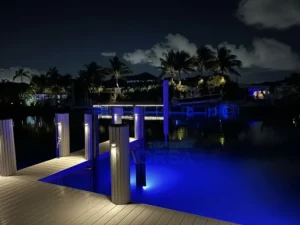
A yacht’s lighting plan does not stop at the rail. Many owners in South Florida also want the approach to the boat, along the dock, to feel just as considered as the interior. Dock solar lighting is a practical way to add that layer of visibility and style without running new electrical wiring along the dock itself.
Solar fixtures charge during the day and turn on automatically at dusk, which makes them a low maintenance option for marking walkways, cleats, and dock edges. This is especially useful for owners who split their time between the boat and the shore and want the dock lit consistently without needing to switch anything on manually. Dock solar lighting rounds out a full lighting plan that starts in the engine room and ends at the dock.
Comparing Interior and Approach Lighting at a Glance
Lighting Type | Primary Location | Main Purpose | Key Consideration |
Yacht Engine Room Lights | Engine compartment | Inspection and maintenance visibility | Sealed housing, vibration resistance |
Marine Courtesy Lights | Steps, cabin floors, walkways | Safe movement, ambiance | Low profile, soft output |
Boat Navigation Lights | Bow, stern, mast, helm | Regulatory safety at night | Compliance, night vision friendly |
Dock Solar Lighting | Dock edges, walkways, cleats | Approach visibility | Solar charging, no wiring needed |
Practical Tips for Planning a Yacht Lighting Upgrade
Start with the areas that affect safety first, such as the engine room and the steps leading into the cabin. From there, layer in courtesy lighting for comfort, and confirm that navigation lights meet current requirements before the boat goes back on the water.
It also helps to think about how these systems work together rather than upgrading them one at a time. For example, a technician working on engine room lighting can often check navigation wiring and courtesy light connections during the same visit, which saves time compared to separate service calls.
Finally, consider the environment each fixture will face. Salt air, humidity, and constant motion are hard on lighting hardware, so choosing fixtures built for marine use matters more on a boat than it would in a home.
Conclusion
A well planned interior lighting system covers more than one space on a yacht. Yacht engine room lights keep maintenance safe and efficient, marine courtesy lights make cabins and walkways comfortable after dark, boat navigation lights keep a vessel compliant and visible, and dock solar lighting extends that same care to the approach at the dock.Marine Lighting Palm Beach works across all of these areas as a manufacturer and distributor of marine LED lighting, offering a range of premium marine lighting brands . Owners planning an interior lighting upgrade can learn more about available options at Marine Lighting Palm Beach.