DIY vs. Professional Installation: When to Call a Marine Electrician for Boat Lighting
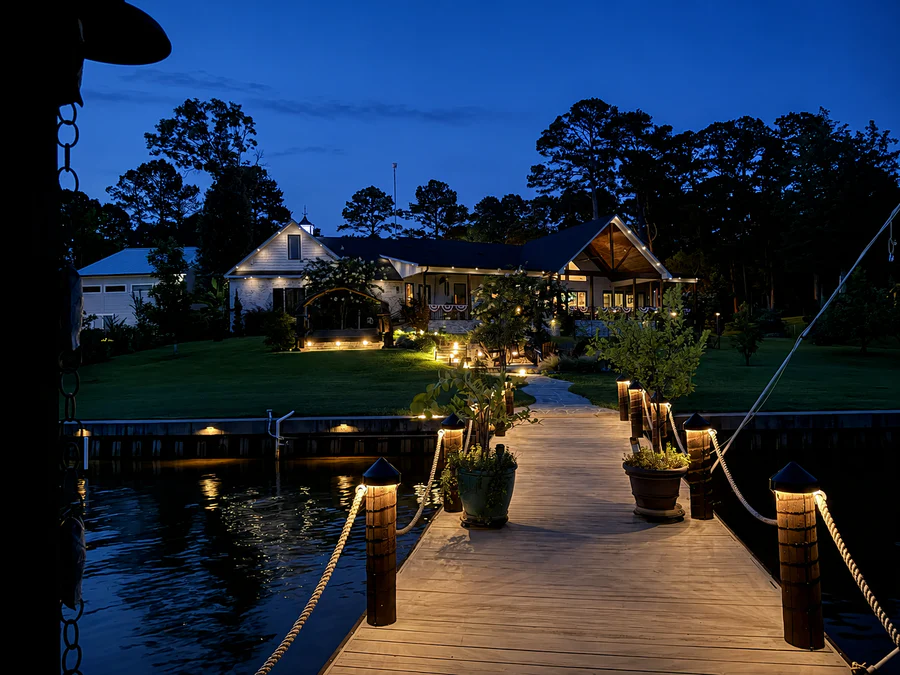
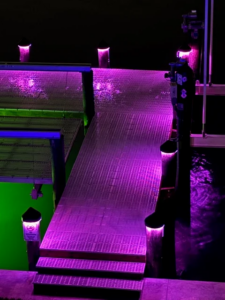
Dock lighting in Palm Beach can improve visibility around a waterfront property, while boat lighting can make onboard areas easier to use after dark. However, installing marine lighting is different from installing a standard household light.
Boats and docks operate around water, moisture, salt air, vibration, and changing weather conditions. As a result, the right installation approach depends on the type of light, its location, the existing electrical system, and the complexity of the project.
Some simple replacement tasks may be manageable for an experienced boat owner. Other projects, especially those involving new wiring, underwater fixtures, engine room installations, or changes to an existing electrical system, may require professional help.
This guide explains where DIY installation may make sense and when it is better to involve someone experienced with marine electrical systems.
Why Marine Lighting Installation Is Different
Marine lighting has to work in an environment that is very different from a typical indoor space.
Water exposure is an obvious consideration. However, salt air, vibration, corrosion, tight installation spaces, and movement can also affect lighting components and connections.
A fixture that works well indoors may not be appropriate for a boat or dock. Marine lighting products are designed with environmental conditions in mind, and factors such as sealing, mounting, materials, and protection ratings can affect where a light can be installed.
The website’s marine lighting information includes LED fixtures designed for applications such as engine rooms, docks, underwater areas, and onboard spaces.
That is why choosing the correct fixture is only one part of the installation. The way it is connected and mounted matters too.
When DIY Boat Lighting May Be Reasonable
Not every lighting project requires extensive electrical work.
A straightforward replacement may be suitable for someone who already understands their boat’s electrical system and can safely follow the manufacturer’s installation instructions.
For example, replacing an existing fixture with a compatible replacement can be simpler than designing an entirely new lighting circuit.
Before starting, however, check the following:
- Is the replacement fixture compatible with the existing system?
- Is the voltage correct?
- Is the fixture suitable for its installation environment?
- Are the existing wires and connections in good condition?
- Does the new light require a different switch, driver, controller, or fuse?
- Can the installation be completed without modifying other electrical systems?
If the answer to these questions is unclear, it may be better to stop before changing the wiring.
When to Call a Marine Electrician
A professional should be considered when the project goes beyond a straightforward fixture replacement.
This is particularly relevant when new wiring, electrical circuits, switches, breakers, fuses, controllers, or other electrical components are involved.
Professional help is also worth considering when:
- Existing wiring is damaged or corroded.
- The electrical system has an unknown configuration.
- New circuits need to be added.
- Multiple lighting systems need to be integrated.
- Lighting is being installed in difficult to access areas.
- The installation involves underwater fixtures.
- An engine room installation requires additional electrical work.
- The project involves troubleshooting an existing electrical fault.
The goal is not to make every lighting project more complicated. Instead, it is to recognize when the electrical work has moved beyond a simple fixture replacement.
LED Marine Engine Room Lights Need Careful Installation
LED marine engine room lights are designed to provide practical illumination in areas where visibility is important for inspection and maintenance.
Engine rooms can contain machinery, batteries, wiring, fuel related components, pumps, and other equipment. They may also experience heat, vibration, moisture, and restricted working space.
That makes installation location particularly important.
A light should provide useful illumination without creating unnecessary problems for surrounding equipment. Wiring should also be appropriately routed and protected.
The website lists marine engine room and utility lighting, including low profile LED fixtures designed for engine rooms, utility compartments, bilges, and workshop areas.
When Engine Room Lighting Should Not Be a DIY Project
If installing the light requires new wiring through the vessel, changes to the electrical distribution system, or work around existing electrical equipment, professional assistance can be the safer option.
The same applies when the existing wiring shows signs of heat damage, corrosion, moisture intrusion, or previous modifications.
Boat Underwater Lights Are a More Specialized Installation
Boat underwater lights require particular attention because the fixture operates at or below the waterline.
The installation method depends on the type of fixture. Surface mounted and through hull installations are not the same project.
A through hull installation can involve creating an opening in the hull and ensuring that the installation is properly sealed. That is a significantly different task from replacing an existing surface mounted light.
The location also matters. The light must be suitable for continuous exposure to water, while cables and connections need to be appropriately protected.
Why Underwater Lighting Can Be Better Suited to Professionals
If the project involves drilling the hull, creating new penetrations, routing new cables, or troubleshooting water intrusion, professional assistance should be strongly considered.
A mistake around a hull penetration can create a much bigger problem than a non-functioning light.
For this reason, underwater lighting should be approached as both a lighting project and an installation project.
DIY Considerations for LED Dock Lighting
LED dock lighting can include fixtures installed along walkways, dock edges, steps, pilings, or other waterfront areas.
Some replacement projects may be straightforward when existing fixtures, wiring, and mounting points are already suitable.
However, new dock installations can become more complex when wiring needs to be extended or when the lighting system requires new controls or electrical connections.
For dock lighting in Palm Beach, environmental exposure should also be considered. Waterfront lighting may face salt air, humidity, rain, spray, and strong sunlight.
The website’s dock lighting information highlights marine suitable materials and weather resistant construction for different dock and deck applications.
Questions to Ask Before Installing Dock Lights
Before starting a DIY dock project, consider:
- Is there already wiring at the installation location?
- Is the existing wiring suitable for the new fixture?
- Is the fixture designed for outdoor marine exposure?
- Does the mounting surface provide adequate support?
- Will the wiring be exposed to water or physical damage?
- Does the installation require new electrical equipment?
- Is the light’s environmental rating appropriate for its location?
If several answers are uncertain, professional assistance can help prevent problems later.
Marine Courtesy Lights Are Often Simpler, But Still Need Planning
Marine courtesy lights are commonly used to illuminate steps, walkways, cabins, cockpits, and other onboard areas.
Because these fixtures are often smaller and operate at lower light levels, they may appear simple to install.
However, the electrical side still matters.
A courtesy light may connect to an existing circuit, switch, dimmer, or lighting controller. Changing one part of the system can affect how the rest of the lighting operates.
The website’s marine lighting information identifies courtesy lighting as an application for decks, stairs, cabins, and other onboard spaces.
A Simple Replacement vs. A New Circuit
Replacing an existing compatible courtesy light is one thing.
Adding several new fixtures, running new wiring, installing a controller, or modifying the existing circuit is another.
The more changes required, the more important it becomes to understand the boat’s electrical system before proceeding.
DIY vs. Professional Installation
Project | DIY May Be Suitable | Professional Help Is Better |
Replace an existing compatible light | Yes, if wiring is sound | If wiring is damaged |
Add a new courtesy light | Sometimes | When new circuits are required |
Replace engine room fixtures | Sometimes | When new wiring or electrical changes are needed |
Install boat underwater lights | Limited | Especially for through hull installations |
Replace dock lights | Sometimes | When wiring or electrical equipment must be added |
Install a new dock lighting system | Usually more complex | Recommended when designing new circuits |
Troubleshoot electrical faults | No | Yes |
Modify existing electrical distribution | No | Yes |
The important distinction is not simply the type of light. It is the complexity and electrical requirements of the installation.
Common DIY Marine Lighting Mistakes
A few installation mistakes can create unnecessary problems.
Using the Wrong Fixture
A standard light may not be designed for marine exposure. Always check the product specifications and intended installation environment.
Ignoring Existing Wiring
New lighting does not solve problems with old wiring. Corrosion, damaged insulation, loose connections, and poor previous modifications should be addressed.
Choosing a Fixture Based Only on Brightness
Brightness is not the only consideration. Beam pattern, color, mounting location, environmental protection, power requirements, and intended use also matter.
Making Unplanned Electrical Changes
Adding fixtures can change the electrical load. If the project requires modifications to circuits, switches, fuses, or other electrical components, the system should be evaluated before changes are made.
Forgetting the Installation Environment
A light mounted inside a cabin has different requirements from one installed below the waterline or directly on a dock.
A Practical Decision Guide
A simple way to decide whether a lighting project is suitable for DIY work is to ask three questions.
Is It a Direct Replacement?
If you are replacing an existing fixture with a compatible model and the wiring is in good condition, the project may be relatively straightforward.
Does It Require New Wiring?
If new wiring must be routed through a boat, dock, engine room, or other difficult location, the project becomes more involved.
Does It Involve Water Exposure or Hull Penetration?
Projects involving underwater installations, hull penetrations, or electrical components close to significant water exposure deserve additional care.
If the answer to either of the last two questions is yes, professional marine electrical assistance may be appropriate.
How to Prepare Before a Lighting Installation
Whether the installation is DIY or professionally handled, preparation can make the project easier.
Start by identifying:
- The exact lighting application.
- Number of fixtures required.
- Existing power source.
- Fixture voltage.
- Available mounting locations.
- Existing wiring condition.
- Required switches or controls.
- Environmental exposure.
- Manufacturer installation requirements.
It is also useful to photograph the existing installation before removing anything. This provides a reference for wire routing, fixture placement, and mounting.
If the project is already underway, make sure the existing lighting system’s wiring and connections are checked before adding new components.
Conclusion
The right approach to dock lighting in Palm Beach depends on the complexity of the project. Replacing a compatible fixture with sound existing wiring may be manageable for an experienced boat or dock owner. However, new circuits, damaged wiring, underwater installations, hull penetrations, and electrical troubleshooting require more careful consideration.
The same applies to LED marine engine room lights, boat underwater lights, LED dock lighting, and marine courtesy lights. The fixture itself is only part of the project. Its power requirements, installation environment, wiring, mounting, and intended use all need to work together.
For boat and waterfront property owners looking for marine lighting products and solutions in the Palm Beach area, Marine Lighting Palm Beach covers marine deck and dock lights, underwater lights, boat navigation lights, courtesy lights, and engine room lighting.