Hurricane Season & Marine Lighting: Protecting Your Dock and Boat Electrical Systems in South Florida
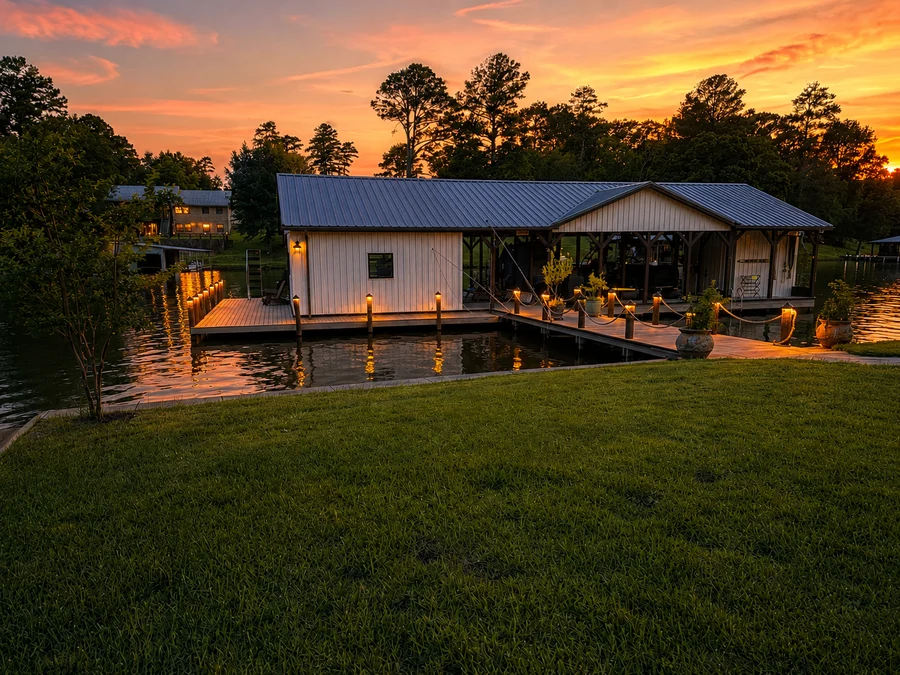
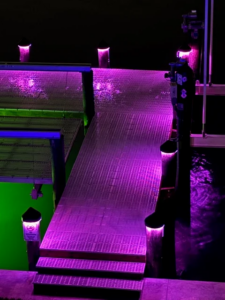
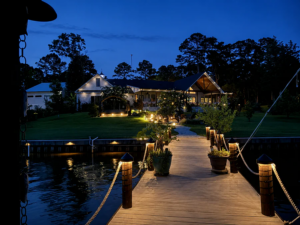
Marina dock lights face demanding conditions throughout the year, but hurricane season can put additional stress on fixtures, wiring, connections, and other electrical components around the water.
In South Florida, marine lighting systems regularly deal with salt air, humidity, water exposure, wind, and changing weather. During a tropical storm or hurricane, these conditions can become much more severe. That makes seasonal inspection and preparation an important part of maintaining dock and boat lighting.
The same principle applies to marine underwater lights, marine courtesy lights, and marine utility lights. Each system has its own installation environment and purpose, but all marine lighting should be checked for physical damage, exposed connections, corrosion, and other signs of wear.
This guide explains what boat and dock owners should review before hurricane conditions arrive and how proper marine lighting maintenance can help identify problems early.
Why Hurricane Season Matters for Marine Lighting
Hurricane preparation usually focuses on boats, docks, property, and emergency supplies. However, lighting systems also deserve attention.
Strong winds, heavy rain, storm surge, and saltwater exposure can place additional stress on lighting equipment. Fixtures can also be exposed to debris or physical impact during severe weather.
Electrical connections are another area worth checking. Moisture entering an already damaged connection can create problems later, especially when the lighting system is powered back on.
This does not mean every marine light will be damaged during a storm. Instead, the goal of a pre-season inspection is to identify existing weaknesses before severe weather makes them worse.
What Makes Marina Dock Lights Vulnerable?
Marina dock lights operate in an environment where water and electricity are used close together. Salt air can also accelerate corrosion on unsuitable or damaged components.
A dock lighting system may include fixtures, mounting hardware, cables, connectors, drivers, switches, and control equipment. Each part needs to remain suitable for its particular location.
The lighting system should therefore be reviewed as a complete installation rather than focusing only on the visible fixture.
Check for Corrosion
Look for corrosion around:
- Metal mounting points
- Fasteners
- Connectors
- Cable entry points
- Electrical enclosures
- Fixture housings
Corrosion does not always mean a light needs immediate replacement. However, visible deterioration can be a reason to inspect the affected component more closely.
The website’s dock lighting information specifically highlights marine grade materials such as 316 stainless steel, coated aluminum, and UV stable materials for marine environments.
Inspect Wiring and Electrical Connections
Hurricane preparation should include a visual inspection of accessible wiring and connections.
Look for cracked insulation, loose connections, damaged cable jackets, exposed wiring, or signs that water may have entered an enclosure.
Do not assume that a light working normally means every part of its electrical system is in good condition. A fixture can continue operating even when a connection or cable is beginning to deteriorate.
If damage is found, the affected electrical component should be assessed before the system is used again.
Keep Connections Away From Direct Water Exposure
Electrical connections should be installed according to the requirements of the equipment and its intended environment.
The location of control equipment also matters. For example, the dock lighting information on the website recommends keeping the control box above the splash zone.
This type of installation consideration becomes particularly important around waterfront systems where spray and rising water can expose components to moisture.
Protecting Marine Underwater Lights
Marine underwater lights operate in one of the most demanding areas of a boat or dock lighting system because the fixtures are designed for exposure to water.
That makes the condition of the fixture, seals, mounting points, cables, and related components especially important.
Before hurricane season, inspect underwater lighting for visible cracks, loose mounting, damaged cables, or signs of deterioration.
The lighting equipment should also be appropriate for its installation location. The website’s dock lighting guidance notes that equipment intended to remain underwater should have an IP68 rating.
Check the Fixture and Mounting Area
A secure fixture is important because underwater lighting can be exposed to movement, water pressure, boat activity, and other physical conditions.
Check whether the fixture appears loose or has shifted from its original position.
If an underwater light has been damaged, it is better to investigate the issue before a major storm rather than waiting until after the storm to discover that water has entered a damaged component.
Marine Courtesy Lights Need Attention Too
Marine courtesy lights are commonly used around areas where people move around a boat, including walkways, steps, seating areas, and other onboard spaces.
Although these lights may be smaller than some other marine fixtures, they still operate in a marine environment.
Before hurricane season, inspect courtesy lights for:
- Cracked lenses
- Loose fixtures
- Damaged wiring
- Corroded mounting hardware
- Moisture around connections
- Intermittent operation
Small lighting problems can be easier to address before a storm than after one.
A pre-season inspection can also help identify lights that have become loose or damaged through normal use.
Marine Utility Lights for Engine and Service Areas
Marine utility lights can provide practical illumination in areas such as utility compartments, engine rooms, bilges, and other service spaces.
These locations can experience moisture, heat, vibration, and limited access. That makes fixture condition and installation particularly important.
The website includes marine engine room and utility lighting options designed for these types of applications, including low profile LED fixtures and equipment intended for marine environments.
Before hurricane season, check accessible utility lights for damage and make sure fixtures and wiring remain secure.
If a light is located in an area that could be exposed to water during a storm, its environmental rating and installation should be reviewed.
Should You Turn Off Marine Lighting Before a Storm?
There is no single procedure that applies to every boat or dock lighting installation.
The correct approach depends on the specific equipment, electrical configuration, vessel, dock, and storm preparation requirements.
If the lighting system has a dedicated power source or control system, the manufacturer’s instructions and the property’s storm preparation procedures should be followed.
The key point is to avoid making assumptions about electrical equipment during severe weather. If there is a known electrical problem, damaged wiring, exposed connections, or water intrusion, the system should be assessed before being energized.
A Pre Hurricane Marine Lighting Checklist
A simple inspection can help identify potential problems before severe weather arrives.
Area to Check | What to Look For | Why It Matters |
Dock light fixtures | Cracks, loose mounting, corrosion | Helps identify physical weaknesses |
Wiring | Damaged insulation or exposed cables | Reduces the risk of electrical problems |
Connections | Moisture, corrosion, loose connections | Water can affect damaged connections |
Underwater lights | Seal, housing, mounting, cables | These fixtures operate in direct water exposure |
Courtesy lights | Cracked lenses or loose fixtures | Helps maintain onboard lighting |
Utility lights | Damage, moisture, loose hardware | Useful for enclosed and service areas |
Control equipment | Water exposure or damage | Helps protect the lighting system’s controls |
This inspection does not replace professional electrical evaluation where damage is present. Instead, it provides a practical starting point for identifying visible issues.
Choosing Marine Lighting for South Florida Conditions
The marine environment should be considered when selecting lighting equipment.
Materials, sealing, mounting, and environmental ratings can all affect how a lighting fixture performs in a coastal setting.
The website’s marine dock lighting information highlights corrosion resistant materials and sealed construction for marine applications. It also notes that IP ratings should be selected according to the level of exposure, with higher protection used for more demanding environments.
For underwater installations, the equipment needs to be specifically suitable for continuous exposure to water.
For dock and deck applications, the installation should account for spray, rain, salt air, and the location of electrical components.
Why LED Marine Lighting Can Be Practical
LED technology is widely used in marine lighting because it can provide substantial light output with relatively low power consumption.
The website specifically focuses on marine LED lighting, including LED retrofits and replacement lighting for different applications.
However, choosing an LED fixture is not only about brightness or energy use.
The fixture still needs to be appropriate for the environment where it will be installed. A marine light exposed to saltwater and weather needs different considerations from a standard indoor LED fixture.
This is particularly relevant when preparing a lighting system for long term use in South Florida.
What to Check After a Hurricane
Inspection should not stop once the storm passes.
Before restoring or using affected lighting equipment, look for visible damage, displaced fixtures, damaged cables, standing water, corrosion, and signs of moisture intrusion.
Underwater lights and dock fixtures should receive particular attention if storm surge or flooding reached their installation areas.
If electrical equipment has been submerged or visibly damaged, it should not simply be switched back on without appropriate assessment.
The CDC recommends having a hurricane plan and preparing before tropical storms arrive, while also following evacuation and safety instructions when authorities issue them.
Marine lighting should be considered one part of that broader preparation process.
Building a Better Pre Season Lighting Routine
Hurricane preparation works best when it starts before a storm is approaching.
A useful routine is to inspect the lighting system before the beginning of hurricane season and then address visible problems while there is still time to do so.
For boat and dock owners, the routine can include:
- Inspecting fixtures and mounting points.
- Checking accessible wiring.
- Looking for corrosion.
- Checking underwater light housings and seals.
- Inspecting courtesy and utility lights.
- Reviewing the location of electrical control equipment.
- Checking for previous storm or water damage.
- Replacing damaged components where necessary.
- Reviewing the manufacturer’s instructions for the specific lighting equipment.
This approach is more practical than waiting until a storm is forecast.
Conclusion
Hurricane season is a good reminder that marine lighting needs to be maintained as part of the overall boat and dock environment. Marina dock lights, underwater fixtures, courtesy lighting, and utility lights all operate in conditions where moisture, salt air, and physical exposure can affect components over time.
Regular inspections can help identify corrosion, damaged wiring, loose fixtures, compromised seals, and other visible problems before severe weather arrives. Choosing marine-appropriate materials and equipment also matters, especially for lighting installed near or below the water.
For boat and dock owners in South Florida, Marine Lighting Palm Beach provides marine lighting solutions covering dock and deck lighting, underwater lighting, courtesy lighting, navigation lighting, and related marine LED applications.